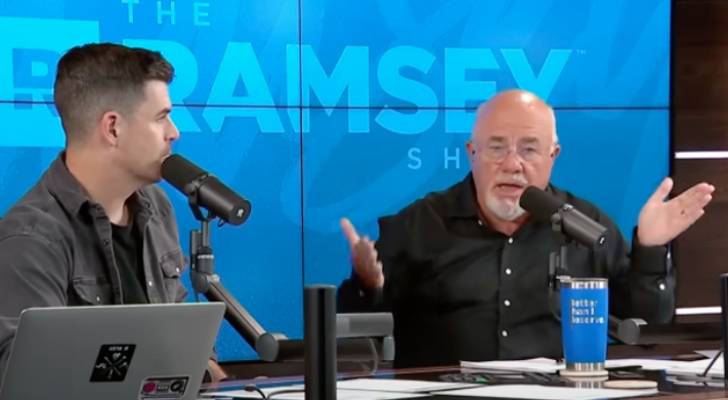

When Jefferson from Sacramento recently called into The Ramsey Show, he admitted something shocking: he’s carrying close to $800,000 in credit card and loan debt. Dave Ramsey, known for his no-nonsense advice, stayed true to form [1].
“This isn’t about the debt,” Ramsey told him. “Debt is the symptom of about six things. None of which are fixed by bankruptcy.”
Shop Top Mortgage Rates
So what went wrong — and what lessons can everyday Americans take from this financial train wreck?
Jefferson explained that over the past decade, he’d made nearly $2 million through construction jobs and home-flipping ventures. But as time went on, poor business oversight, failed investments, lavish vacations and the reliance on credit cards for everyday expenses caused his finances to collapse.
His remodelling business had frequent setbacks. Employees broke tools or botched jobs, and instead of absorbing those costs through proper planning, he says he covered them with credit cards.
He also admitted to losing tens of thousands on stocks and property deals. Lifestyle spending didn’t help — he estimated vacations alone added up to nearly $200,000 over the years. When work slowed and his employer went bankrupt, he relied on credit cards for groceries and bills.
“You don’t get to coast,” Ramsey said. “You’ve been just running around in circles, man. You’re going to have to really get focused.”
Read more: There’s still a 35% chance of a recession hitting the American economy this year — protect your retirement savings with these 10 essential money moves ASAP
Overspending doesn’t always come from one catastrophic event.
Often, it’s the result of repeated “nice-to-have” purchases that eat into financial stability.
Vacations cost the average American $2,743 per year [2].
Dining out can easily add another $3,228 annually [3].
Retail therapy is another culprit. A LendingTree survey found that 43% of Americans have gone into debt from emotional shopping [4].
Individually, these habits may not seem alarming, but when combined with business losses or a job loss, they can be devastating.
That’s why Ramsey warned listeners not to view bankruptcy as a quick fix.
“If it [the debt] got wiped tomorrow,” cohost John Deloney asserted, “he’d go figure out another way to borrow money.”
While bankruptcy might erase some of the debt, Ramsey cautioned it wouldn’t fix the root problem — poor money management, lack of income and unchecked spending.
For people who see some of their own behaviour reflected in this story, the good news is it’s possible to change course before things spiral into six-figure debt.
-
Budget for wants. Apply the 50/30/20 rule, allocating 30% of your income to nonessentials like vacations and dining out (and 50% for essentials, with the remaining 20% for savings and debt).
-
Delay gratification. Let impulse purchases sit in your cart for at least a week before buying to see if you really need them.
-
Cut quickly. If debt starts piling up, slash discretionary expenses — from canceling streaming subscriptions to choosing staycations over vacations.
-
Boost income. Consider side jobs or freelance work before relying on credit cards.
-
Stay vigilant in business. Self-employed workers should track expenses closely and keep reserves for slowdowns and setbacks.
Jefferson’s story may be extreme, but the habits that fueled it are surprisingly common. Vacations, shopping and eating out may feel harmless, but when combined with risky investments or a loss of income, they can quickly destabilize even a six-figure earner.
“You’re now Mr. Frugal, Captain Frugal McDougall. That’s you, man. You don’t buy anything,” Ramsey told him.
“All you do is work and pay bills.”
The takeaway for the rest of us? Don’t wait until you’re staring down hundreds of thousands in debt to take your financial habits seriously.
Stay in the know. Join 200,000+ readers and get the best of Moneywise sent straight to your inbox every week for free. Subscribe now.
At Moneywise, we consider it our responsibility to produce accurate and trustworthy content people can rely on to inform their financial decisions. We rely on vetted sources such as government data, financial records and expert interviews and highlight credible third-party reporting when appropriate.
We are committed to transparency and accountability, correcting errors openly and adhering to the best practices of the journalism industry. For more details, see our editorial ethics and guidelines.
[1]. The Ramsey Show. “I’m $800,000 In Debt And Don’t Know Where To Start”
[2]. Go City. “How Americans are Budgeting for Summer Travel”
[3].WalletHub. “How Much Does the Average American Household Spend On Dining Out Each Year?”
[4]. LendingTree. “Most Americans Admit to Emotional Spending as 38% Cope With Economic Uncertainty”
This article provides information only and should not be construed as advice. It is provided without warranty of any kind.