
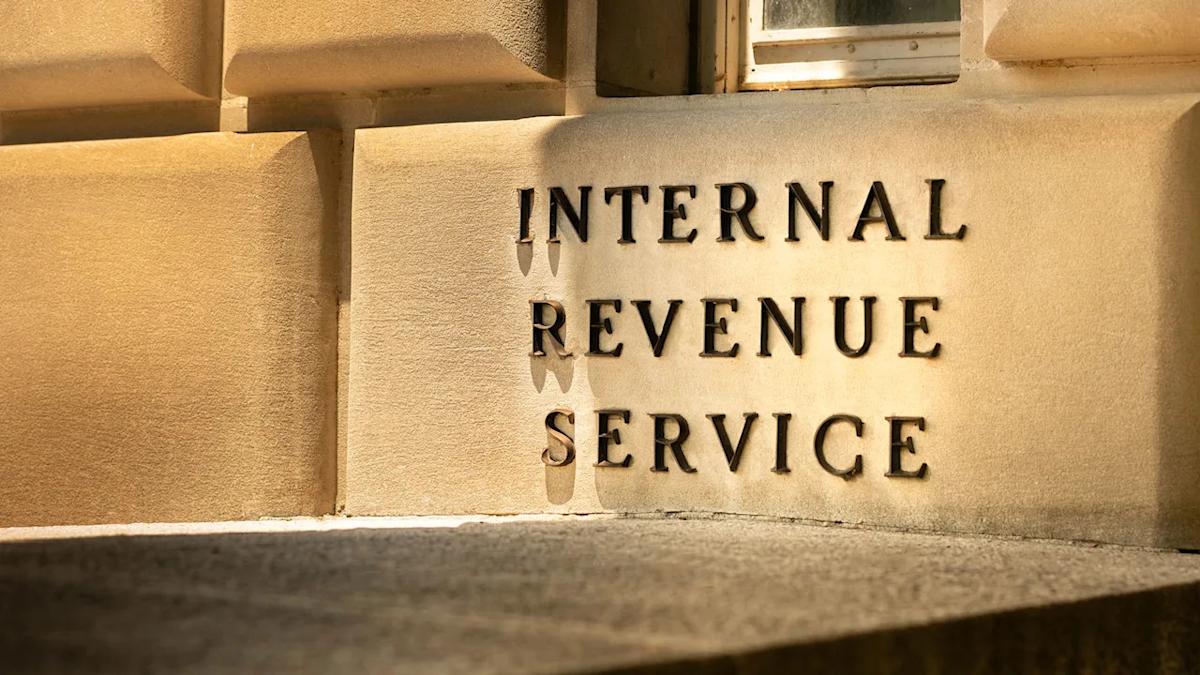

The Internal Revenue Service (IRS) will start phasing out paper tax refund checks on Tuesday, September 30.
Most Read from Fast Company
This change stems from an executive order issued on March 25, directing the secretary of the Treasury to “cease issuing paper checks for all Federal disbursements inclusive of intragovernmental payments, benefits payments, vendor payments, and tax refunds.”
The order made exemptions for cases such as people who don’t have access to electronic payment systems.
In an update on Tuesday, IRS laid out three core benefits of the change: protecting taxpayers, speeding up refunds, and cutting costs.
To start, the government body claims that paper checks have a 16-times higher likelihood of being stolen, altered, lost, or delayed compared to an electronic option.
As for speed, the IRS claims that people who file electronically and choose direct deposit should receive their refunds in under three weeks. In contrast, it can take over six weeks to receive a refund in the mail.
As for the last point, the revenue service simply states that not using paper checks saves them money.
Chances are, this switch won’t affect you. The IRS reports having issued 93.5 million tax refunds to individuals during the 2025 season, but that only 7% of people received their refund in the mail.
However, if you do get paper check refunds, you will eventually need to provide the IRS with banking details. In its update on Tuesday, the IRS urged taxpayers to “act now” and make sure they know their banking details. It further said that taxpayers without bank accounts should consider opening one.
If you don’t have a bank account, you will still have the option to use prepaid debit cards or digital wallets to receive your refund.
Still, critics claim that the executive order has been rushed and could harm taxpayers.
“The IRS and Treasury need to better understand why these 5 million taxpayers opt for paper checks before attempting to move them to alternative payment systems,” Kathleen Bryant, a policy adviser at the Tax Law Center at NYU, wrote. “Many of these taxpayers likely do not have bank accounts or face other barriers to sending or receiving payments electronically.”
September 30 will also bring an end to paper checks for Social Security beneficiaries, a move that has further caused many unhappy responses, along with calls for providing the elderly with greater help in setting up and managing electronic bank accounts.